Industry surveys indicate that nearly 40% of junk removal jobs involve estate cleanouts1—a figure that reflects Americans' accumulation patterns over decades of homeownership and the logistical complexity families face when clearing the properties of deceased relatives.

A typical Phoenix estate generates 15-25 cubic yards of material requiring removal, well beyond the 10-cubic-yard limit for municipal bulk trash appointments and the emotional bandwidth families have during grief and estate settlement.
Jose and the Cee J Junk Removal team specialize in estate cleanouts across Phoenix’s residential neighborhoods, from modest ranch homes to Paradise Valley estates. The service handles the volume, variety, and time pressure that distinguish estate work from standard junk removal—combining furniture, appliances, personal effects, yard debris, and garage accumulation into comprehensive property clearance that meets probate timelines and real estate listing schedules.
Real estate agents advise listing properties "broom clean"—completely empty to allow buyers to envision their own furnishings. Phoenix's competitive real estate market (median sale time 30-45 days in recent years) makes prompt listing essential to capture buyer interest. Delayed clearance postpones listing, potentially losing optimal market timing.
Estates continue paying property taxes, HOA fees, insurance, and utilities until sale completion. A $350,000 Phoenix home carries approximately $500-800 monthly in these costs. Each month of clearance delay extends estate expenses, reducing beneficiary inheritance.
Vacant homes face increased vandalism, copper theft, and weather damage risks. Phoenix's monsoon season (June-September) creates particular vulnerability—roof leaks into unmaintained properties, pool equipment failures, and air conditioning system breakdowns that can cause tens of thousands in damage.
Many estate properties need updating before listing—new carpet, paint, kitchen/bathroom upgrades to competitive condition. Contractors can't begin work until properties are cleared. Renovation timelines (2-6 weeks typical for Phoenix estate updates) get delayed by clearance delays.
Family heirlooms, jewelry, financial documents, photographs, collectibles with resale value. These items get set aside for family review and distribution according to will provisions or family agreement.
Phoenix estate sales (professional services that sell household contents on-site) typically handle this category. Estate sale companies take 30-40% commission on sales, providing expertise in pricing antiques, collectibles, and household goods while eliminating family labor. However, estate sales require 2-3 weeks advance scheduling, property access for staging, and generate remaining items that didn’t sell—creating a disposal need for unsold goods.
Furniture, appliances, clothing, and household goods in good condition. Phoenix-area charities (Habitat for Humanity ReStore, Goodwill, Salvation Army) accept quality donations but maintain strict standards. Estate items often fail acceptance criteria due to:
The EPA reports that 12.1 million tons of furniture waste gets generated annually, with 80.2% ending up in landfills.2 Estate furniture contributes substantially to that volume—pieces that served their purpose for decades but show wear that eliminates donation pathways.
Worn furniture, outdated appliances, personal effects without value, yard waste, and garage accumulation. This category typically accounts for 60-80% of estate volume by cubic yards (though not necessarily by item count—100 books might occupy 8 cubic feet, while one sectional sofa might occupy 40 cubic feet).
Sun City, Sun City West, and similar age-restricted communities (55+ or 62+ entry age) generate substantial estate work. These properties often contain seasonal-resident accumulation—furnishings for snowbird lifestyle, golf equipment, RV accessories—alongside medical equipment from declining health periods.
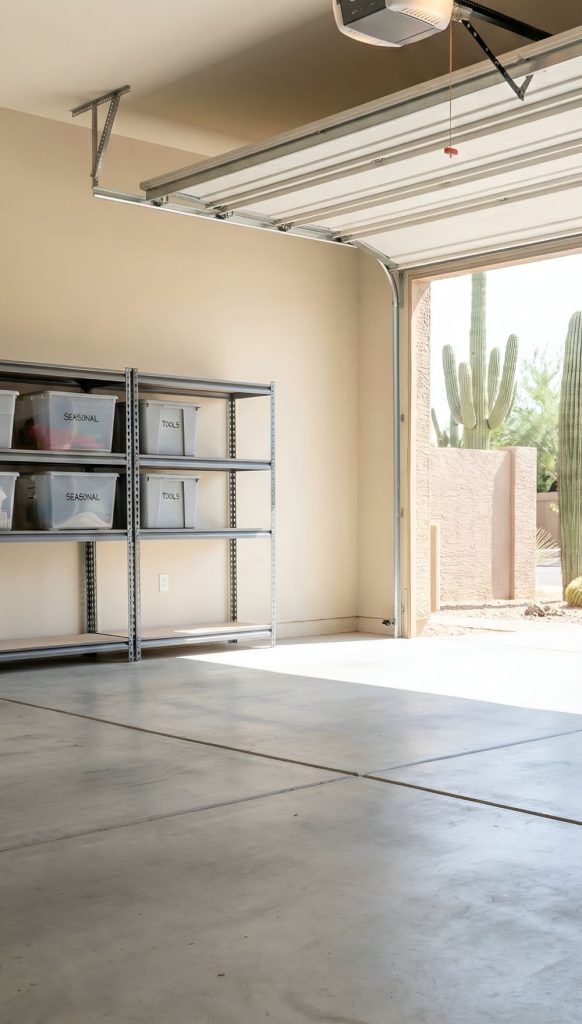
Phoenix's 1960s-1970s expansion created extensive ranch-style neighborhoods (Maryvale, Arcadia, Sunnyslope). Original owners aging in place means estates contain 40-60 years of accumulation. These homes often have single-car garages packed with tools, holiday decorations, and forgotten storage that adds 5-10 cubic yards to estate volume.
Some Phoenix estates involve properties where adult children returned or where grandparents lived with families. These situations create layered accumulation—the deceased's belongings plus younger family members' stored items, children's furniture, and mixed-household goods requiring sorting.
Homes with mature desert landscaping require yard waste removal during estate clearance. Deferred landscape maintenance (common during deceased's final years as physical capacity declined) creates overgrown vegetation, dead palm fronds, and irrigation system failures requiring remediation before property sale.
Prescription drugs can't go in household trash or toilets (due to water contamination concerns). Phoenix police stations and some pharmacies operate medication take-back programs, but estate volumes often exceed the capacity of single-household disposal. Cee J coordinates with city household hazardous waste programs for proper medication disposal.
Arizona law allows firearms in estate property but requires proper transfer or disposal. Firearms must be transferred to legal recipients or surrendered to law enforcement. We identify firearms during cleanout and work with families to arrange legal disposition.
Garage and shed accumulation includes paint, solvents, pesticides, automotive fluids, and pool chemicals. Phoenix's household hazardous waste program (one free annual collection for residents) handles these materials, but estate volumes may require multiple collections or a transfer station hazmat drop-off.
Estate paperwork, tax records, and financial documents require shredding or secure disposal rather than standard trash removal. We separate documents for family review or coordinate shredding services when families authorize destruction of non-essential papers.
Computers, phones, and tablets contain personal data requiring secure erasure. Estate electronics often include obsolete technology (CRT monitors, VCRs, cassette players) that qualified electronics recyclers accept but that can't go in standard trash.
Estate cleanouts operate under distinct timeline pressures:
Simultaneous Access for Multiple Services: Properties often need:
This 2-3 week sequence from family decision to property listing requires coordinated scheduling. Delays in any phase postpone subsequent steps. Cee J provides flexible scheduling—including weekend and after-hours service—to accommodate estate timelines rather than forcing families to adapt to standard business hours.
Out-of-State Family Coordination: Many Phoenix estates involve beneficiaries living elsewhere (adult children who left Arizona for careers, siblings scattered across the country). Limited visit windows mean estate decisions, and clearance must occur during concentrated family trips to Phoenix. A family flying in Friday and departing Sunday needs a cleanout scheduled within that 3-day window.
Property Security Concerns: Vacant estate properties face theft risks, particularly in Phoenix’s urban core neighborhoods. Appliances (particularly air conditioning condensers containing copper), copper plumbing, and tools in garages are common targets for theft. Prompt clearance removes items with scrap value, reducing theft incentive.
HOA Compliance: Phoenix homeowner associations maintain property appearance standards. Deceased homeowners’ properties may have accrued HOA violations (dead landscaping, deferred exterior maintenance, garage door left open). Estate representatives face ongoing fines until compliance, creating pressure to expedite property improvements and sales.
Cee J’s estate cleanout process involves:
We work with designated estate representatives—typically executors named in wills or family members with legal authority. We don’t make disposition decisions when family disagreement exists but will set aside disputed items for family resolution while clearing non-disputed materials. Clear advance communication about “keep” items prevents accidental disposal.
Yes. Hoarding estates require additional time and specialized handling due to volume and potential safety concerns (structural damage from weight, mold, pest infestation). We assess hoarding estates individually for appropriate staffing and safety equipment. These situations typically extend beyond standard 1-2 day timelines to 3-5 days depending on severity.
We quote based on volume assessment and disposal complexity. Flat-rate pricing provides cost certainty for families and estates. Factors affecting pricing include property size, accumulation volume, special disposal needs (hazmat, electronics), donation coordination scope, and timeline requirements. We provide written quotes after initial assessment.